

We're CR Network Solutions, and we handle starlink installation rural properties need — homes, farms, smallholdings and the outbuildings that come with them — along with the wifi and cabling that makes the connection actually usable once it's in.
Why rural properties end up looking at Starlink
Out in the country, the fixed line often just isn't there. The exchange is miles away, the copper is tired, and the speed you get at the end of it won't carry a video call, let alone a household with a few people on at once. Fibre rollouts tend to follow the roads with houses on them, so a farm at the end of a long track can sit outside the plans for years.
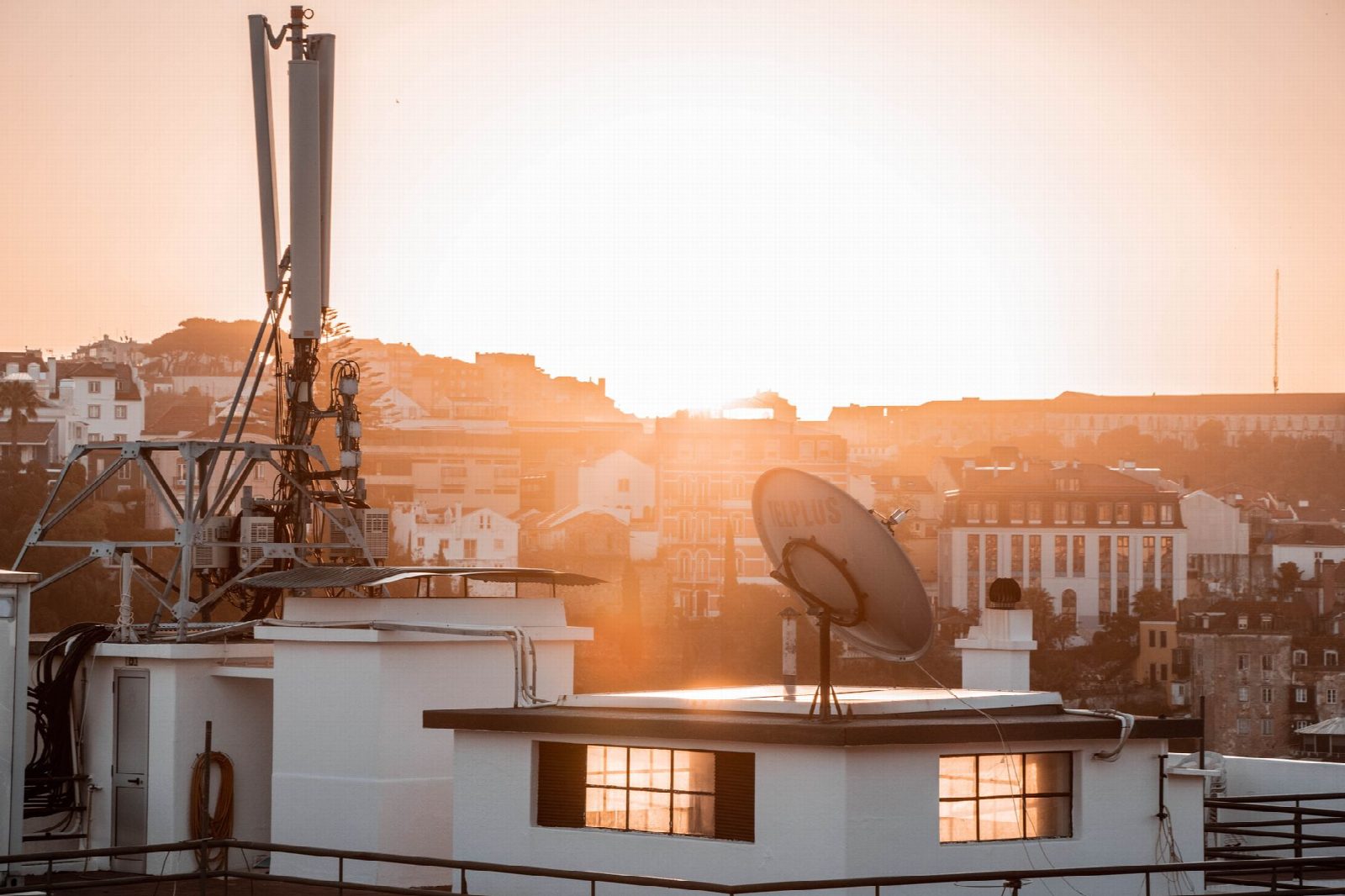
Starlink works differently. It talks to satellites overhead rather than down a cable to a cabinet, so distance from the village doesn't matter in the same way. What matters instead is a clear view of the sky, somewhere sensible to mount the dish, and a cable run back to the house that's done properly.
That last part is where most of the work sits. The kit itself is straightforward enough. Getting it onto a roof safely, routing the cable so it isn't chafing on a purlin or hanging across a yard, and then spreading the signal around a stone-walled farmhouse — that's the job.
What we do on a Starlink installation
Siting the dish
The dish needs an unobstructed view of the sky. Trees, chimney stacks, grain stores and barn roofs all get in the way, and a branch that's fine in February will drop your connection in July when it's in leaf. We look at the whole plot before we pick a spot, not just the first bit of roof that's easy to reach.
Sometimes the best position is the house roof. Sometimes it's a pole on a gable end, a barn, or a mast away from the buildings entirely with the cable brought back underground. We'll tell you which we think is right and why.
Mounting and weatherproofing
Exposed rural sites get the full force of the wind. Mounts need to be fixed into something solid and sealed where they penetrate the roof covering. We bring the cable in through a proper entry point, sealed, rather than wedging it under a tile and hoping.
Cable runs
Farms are long. The distance from a barn roof to the kitchen where you want the router can be further than people expect, and the cable has to be run where it won't be snagged by machinery, chewed by vermin or baked against a flue. We plan the route with you, use ducting or trunking where it's needed, and clip it neatly.
Getting it working
We power it up, check it's locked on, and confirm the obstruction report is clean before we leave. Then we look at what happens next — because a connection at the router is no use if it doesn't reach the far end of the house.
Making the signal reach the whole property
This is the part people often don't budget for. Thick stone walls, extensions, and separate buildings all block wifi. The Starlink router on its own is unlikely to cover a farmhouse and a workshop across the yard.
We design wifi solutions around the building rather than dropping a box in the hall and leaving. That might mean access points wired back with cable, a link across to an outbuilding, or a mesh arrangement where running cable isn't practical. Where we can run cable we prefer to — it's more reliable than bouncing a signal through a wall that's two feet thick. Our data cabling infrastructure work covers that side of it.
For farms with offices, cameras or kit in multiple buildings, we'd usually look at a wired backbone with wifi hung off it. It costs a bit more upfront and causes far fewer headaches later.
Things worth knowing before you commit
The dish needs mains power at the router end, and it draws power continuously. That's worth factoring in if you're thinking about an outbuilding with limited supply.
Snow and heavy rain can affect the signal briefly. The dish has a heating element for snow, but a torrential downpour may cause a short dip. For most rural users this is far less disruptive than the connection they're replacing.
If your main problem is mobile coverage rather than broadband, that's a separate fix — have a look at our mobile signal boosting page. Plenty of rural customers need both, and the two jobs can often be done in the same visit.
And if Starlink isn't the right answer for your site, we'll say so. Our broadband solutions page covers the other options we work with.
Talk to us
If you've got a rural home, farm or outbuilding with a poor connection, get in touch with CR Network Solutions through our contact page and we'll talk through what'll work at your property.